Refill Safely, Live Lightly

Today we explore safe refilling practices for food and personal care: cleaning, storage, and shelf life. Together we will build simple routines that cut waste without inviting microbes, off‑flavors, or product breakdown. You will learn which containers truly suit repeated use, how to sanitize without overdoing it, how to label so you never guess, and how to set practical refill schedules. Expect pragmatic guidance, brief stories from real homes, and confidence‑building habits that respect science and everyday time pressures, helping your kitchen and bathroom feel calmer, cleaner, and wonderfully resilient.

Start Clean, Stay Safe

Materials that Welcome Repeat Use

Glass and stainless steel resist odors, tolerate heat, and reveal residue, making inspection honest and simple. High‑quality HDPE and PET can be excellent for lighter, less reactive products when kept scratch‑free. Avoid porous or heavily abraded plastics that harbor films and carry lingering scents. Replace cracked lids, warped gaskets, or cloudy bottles promptly. Favor wide mouths for brush access, and choose containers without complex corners. If you love silicone, reserve it for dry goods or tools rather than long‑term oily storage, where swelling and stubborn aromas can complicate future refills.

Simple Cleaning Routines that Actually Fit Busy Days

Rinse immediately after emptying to prevent dried residue. Wash with hot water and a mild, unscented detergent, using a bottle brush that reaches every curve. Rinse thoroughly, then sanitize when needed with either heat, 70% alcohol, or a properly diluted, food‑safe sanitizer observing contact time. Air‑dry completely, inverted, without towels that shed lint or introduce new microbes. Store with lids off until fully dry, then reassemble. Keep a small caddy of brushes, a drying rack, and labeled spray bottles so the entire process takes minutes, not motivation you never feel you have.

Sanitizing Without Overdoing It

Cleaning removes soil; sanitizing reduces remaining microbes to safer levels. Not everything needs heavy disinfection every time, especially dry goods jars used promptly. Prioritize sanitizing for containers that will hold high‑risk foods, water‑rich lotions, or products used near mucous membranes. Respect contact times, avoid mixing chemicals, and never combine bleach with vinegar or ammonia. If you use heat, remember that lids and gaskets may require gentler treatment. Let everything fully dry to interrupt microbial growth. A calm, evidence‑based approach saves effort while preserving both product quality and the longevity of your equipment.

Food Refills Without Fear

Refilling pantry staples and liquid foods can be safe, flavorful, and cost‑effective when you match product characteristics with the right container, decanting method, and storage plan. Moisture invites clumping and pests; oxygen and light accelerate rancidity; heat speeds everything unfortunate. Here you will learn specific tactics for grains, flours, nuts, oils, honey, and vinegars, plus how to avoid backflow contamination while pouring. We emphasize allergen separation, smart labeling, and rotation so your meals stay dependable, your senses stay sharp, and your pantry becomes a reliable, low‑waste partner in daily cooking.

Dry Staples: Grains, Flour, Nuts

Keep containers bone‑dry and cool. For nut freshness, consider storing bulk portions in the freezer and only refilling a small working jar. For flour, choose airtight glass or metal and label the grain type and protein level. To interrupt pantry pests, freeze new dry goods for seventy‑two hours before refilling. Avoid mixing old and new batches blindly; instead, finish or combine only when both are fresh and labeled. Add a monthly sniff and texture check to your routine. These simple moves protect flavor, reduce waste, and keep baking predictable in every season.

Liquids and Viscous Foods

Oils resent heat, light, and oxygen. Prefer tinted glass or stainless steel with a tight cap, small headspace, and brief opening times. Vinegars handle light better but still prefer cool cabinets. Honey crystallization is natural; warm gently, never microwave in metal. When decanting, use a clean funnel, avoid touching spouts to containers, and wipe drips to discourage microbes. For sauces, consider smaller containers to reduce exposure with each use. Watch for cloudiness, gas, sharp off‑odors, or separation beyond normal behavior. When in doubt, set aside, evaluate calmly, and replace without hesitation.

Allergen Awareness at the Decanting Table

Dedicate scoops, funnels, and cloths to major allergens like peanuts, tree nuts, gluten, soy, sesame, milk, eggs, or shellfish. Color‑coding tools helps tired minds avoid mistakes. Refill one product at a time with a cleared surface, then wipe and reset before the next. Label clearly and store allergens on a distinct shelf or bin. Communicate with housemates, guests, and babysitters, especially around snacks and packed lunches. Document any supplier changes on your label. These habits protect vulnerable people while allowing everyone else to refill confidently without fear of invisible, preventable cross‑contact.

Personal Care with Confidence
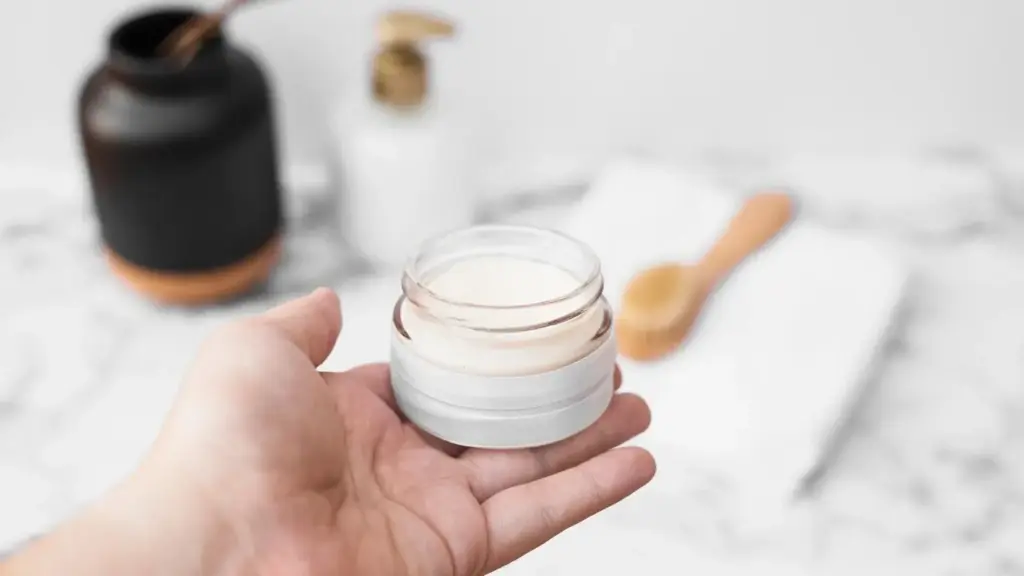
Shampoos, conditioners, body wash, lotions, serums, and hand soaps each behave differently when repeatedly transferred. Water activity, pH, and preservative systems determine how safely a product tolerates refilling. The key is preventing extra dilution, avoiding unclean pumps, and refusing to top off questionable remnants. You will learn when sanitizing is essential, how to maintain dispensers, and when to retire packaging for safety. We will also explore responsible questions to ask refill shops so you know batch dates, INCI details, and storage expectations, making every shower and sink refill feel professionally informed and reassuring.

Storage, Labeling, and Traceability

Good storage transforms refilling from a guessing game into a calm routine. Clear labels, reliable dates, and known sources let you make quick, safe decisions without sniff‑anxiety or memory gymnastics. We will design labels that include product name, supplier, batch, decant date, and planned use‑by margins. Then we will place containers away from sunlight, heat, and humidity, organize shelves for first‑in first‑out, and set brief reminders that keep rotation smooth. This simple infrastructure pays back every day with fewer surprises, fewer emergency tosses, and a pantry and vanity you can truly rely on.

Understanding Shelf Life

Dates guide decisions, but context turns numbers into wisdom. “Best before” reflects quality; “use by” prioritizes safety. Refilling can shorten windows through extra handling, extra headspace, and temperature shifts, or lengthen them with improved containers and cooler storage. Here we explore typical ranges for grains, nuts, oils, shampoos, and lotions, plus sensory checks that matter. We will also discuss special caution for infants, pregnancy, and immune‑compromised people. A respectful margin of safety, combined with labeling and observation, keeps your low‑waste journey grounded, sensible, and comfortably conservative when uncertainty creeps in.

Your Home Refill Station

A tidy, well‑supplied refill corner shrinks chaos and spills while making safe choices automatic. With a silicone mat, a funnel set, sturdy brushes, a drying rack, waterproof labels, alcohol spray, and a simple timer, refilling becomes almost meditative. We will map a quick workflow, from prep to cleanup, and share a five‑minute checklist you can print. You will also find friendly prompts to involve family, track favorites, and connect with local refill communities. The setup takes an afternoon; the peace of mind lasts through countless jars, pumps, and happy routines.
Pokirekevaku
Privacy Overview

This website uses cookies so that we can provide you with the best user experience possible. Cookie information is stored in your browser and performs functions such as recognising you when you return to our website and helping our team to understand which sections of the website you find most interesting and useful.